
Radiator Not Heating Up? 9 Checks Before You Call an Engineer

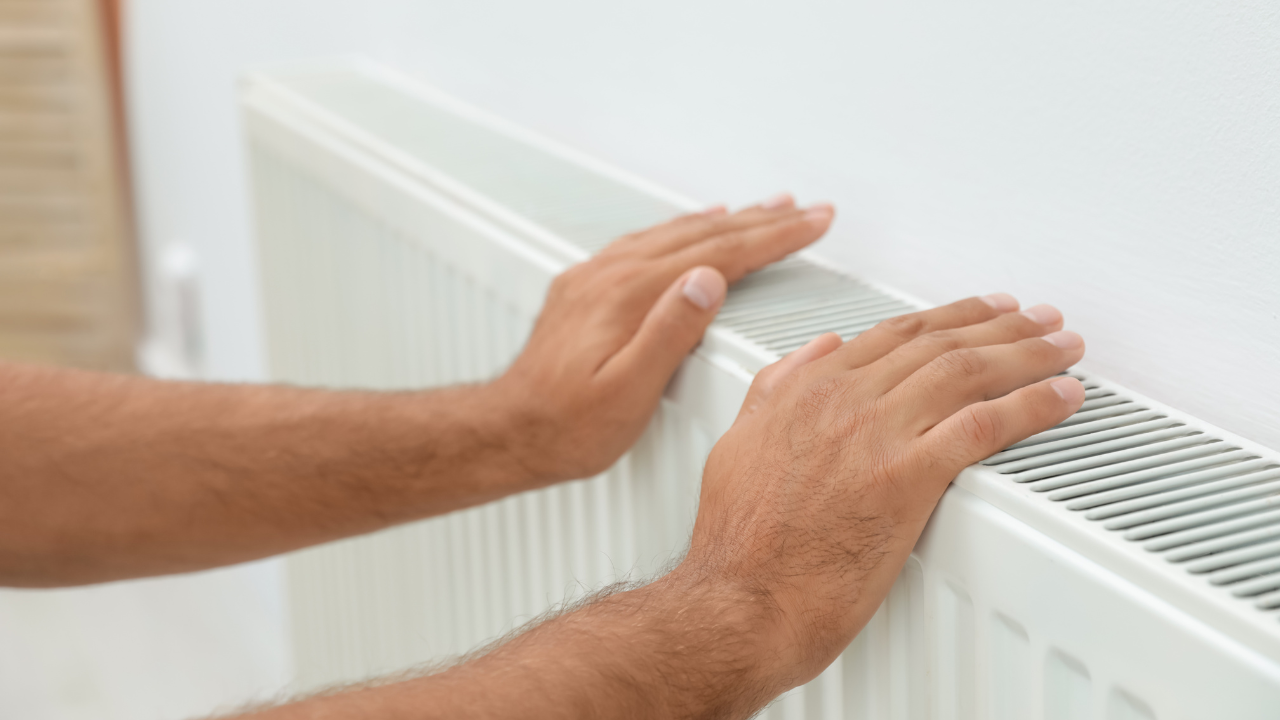
If a radiator is not heating up, it can be tempting to start turning valves at random or fiddling with boiler settings. A calmer, step-by-step approach is much safer and often reveals something simple you can sort yourself without tools.
First checks before touching the radiator
Before you go near any valves, make sure the heating system is actually being asked to run. Many “faults” turn out to be settings rather than broken parts.
1. Confirm the heating is turned on and calling for heat
Set your room thermostat higher than the current room temperature and ensure the heating programme is on, not set to “off” or “holiday”. If you have a smart thermostat, check the app to confirm a heating schedule is active.
On the boiler, look for any fault lights or error codes. If the boiler is not firing at all, or shows a fault, stop troubleshooting and refer to your manual or contact an engineer for boiler repair support.
- Check thermostat is on and turned up
- Check programmer/timer is set to “heating on” or “auto”
- Check boiler is powered, no lockout or obvious error code
2. Work out if it is one radiator or the whole system
Walk around your home and feel each radiator carefully near the top centre. If only one or two are cold, the issue is likely local to those radiators. If most are cold or only lukewarm, you may have a system-wide circulation problem.
System-wide problems can point to issues with the pump, diverter valve or motorised valves, and are best left to a qualified engineer as part of boiler maintenance or repair.
Checking valves safely on a cold radiator
Once you know the heating is on, focus on any radiators that are not heating. Most standard radiators have two valves: the thermostatic radiator valve (TRV) or manual control on one side, and the lockshield valve on the other.
3. Check the thermostatic radiator valve (TRV) position
On the TRV side you will normally see numbers from 0 to 5. Make sure it is not set to 0 or the frost symbol, and turn it fully to 5. The head should feel firm as you turn it, without coming loose in your hand.
If the valve head feels broken, spins freely or has recently been painted around, the pin underneath may be stuck. Do not remove the valve head or try to free the pin yourself, as this can cause leaks. An engineer should handle TRV repairs.
4. Make sure the lockshield valve is open enough
The lockshield valve, usually under a plastic cap, controls the flow balance across the system. It is often set and left during installation. If the cap has been knocked or removed, the valve may have been accidentally closed.
Look at the cold radiator: if both valves are in similar positions to other working radiators, leave them alone. If the lockshield looks fully shut when others are part-open, you can gently open it a quarter turn using a suitable key or small adjustable spanner. Stop if you feel resistance and never force it.
Feeling pipes and spotting circulation issues
With the heating running for at least 15 to 20 minutes, you can learn a lot just by carefully feeling the pipework. Take care, as pipes can become very hot.
5. Compare the flow and return pipes
Each radiator has a flow pipe (hot water in) and a return pipe (water out, a bit cooler). If one radiator stays stone cold while others are hot, feel the pipes leading to it near the floor or wall.
If both pipes are cold while others nearby are hot, that radiator is not getting flow at all, which often points to a closed valve or a blockage at the valve or pipe. If the flow pipe is very hot but the radiator stays mostly cold with a cool return, that can suggest trapped air or sludge inside the radiator.
Bleeding a radiator safely
Bleeding lets trapped air out of the radiator so hot water can fill it properly. This is usually safe if done carefully, but there are times you should not bleed.
6. When and how to bleed a radiator
Typical signs that bleeding may help include a radiator that is hot at the bottom but cool at the top, or gurgling/air sounds with uneven heating. Use a proper radiator key and a cloth or small container to catch water.
Turn the heating off first and allow radiators to cool a little. Place the cloth under the bleed valve at the top corner, then slowly turn the key anti-clockwise until you hear hissing air. Once water flows steadily, close the valve firmly but gently. Do not overtighten.
7. When not to bleed a radiator
Do not bleed if your boiler pressure is already low (below the green zone), as you could trigger a lockout. Also avoid bleeding very old radiators with signs of severe rust, flaking metal or previous leak marks near joints.
If black, sludgy water comes out immediately, close the valve and contact a heating engineer. That suggests heavy corrosion inside the system, which may call for more advanced cleaning such as a powerflush.
Checking boiler pressure after bleeding
Any time you bleed radiators on a sealed system, water is released and system pressure drops. Always check the pressure gauge on your boiler once you have finished.
Most domestic systems are happiest around 1.0 to 1.5 bar when cold, but always follow your manufacturer’s guide. If the pressure has dropped below the recommended level, you may need to top it up using the filling loop. If you are unsure, do not guess: arrange professional boiler repair or maintenance instead.
Local radiator fault vs system-wide problem
After these checks, patterns become clearer. If just one or two radiators are cold but others work well, you are likely dealing with a local valve issue, trapped air or a partial blockage affecting that radiator or its pipe run.
If many radiators heat only at the bottom, the furthest ones are cold, or the whole house heats very slowly, circulation may be poor. This can point to a failing pump, a stuck diverter valve or motorised valve problems, which should be investigated by an experienced engineer.
Signs your system may need a powerflush
Over time, rust and sludge build up inside heating systems and settle in radiators and pipework. This reduces efficiency and can shorten the life of key boiler components.
Common symptoms that suggest your system is heavily sludged include:
- Radiators with cold spots in the middle or at the bottom even after bleeding
- Repeatedly blocked or dirty system filters
- Noisy boiler or pump, with kettling or banging sounds
- Water that is very dark or gritty when radiators are bled
If you notice several of these together, it is worth asking an engineer about system cleaning as part of a broader boiler maintenance plan, rather than just treating each cold radiator as a one-off fault.
When to call us and what to tell the engineer
If your radiator is still not heating up after these checks, or you have any doubts about valve positions, boiler pressure or circulation, it is safest to stop there and call a professional. Early intervention often prevents larger repairs later.
When you contact Sigma Plumbing & Heating on 07939012055, it helps if you can share:
- How many radiators are affected and which rooms they are in
- Whether they are cold all over, or have cold spots at the top, middle or bottom
- Any boiler error codes, odd noises or recent pressure changes
- What checks you have already carried out from this guide
This information allows your engineer to arrive prepared with the right parts and plan, whether the issue needs a straightforward radiator fix, targeted boiler repair or more in-depth system cleaning. For safe, reliable help with cold radiators, boiler maintenance or any heating issues, get in touch with Sigma Plumbing & Heating today.
Get In Touch
Contact Sigma Plumbing & Heating on 07939012055 now to book your service. Protect your home heating with expert care from a trusted local company.