
Frozen Condensate Pipe? Here's How to Get Your Boiler Working Again

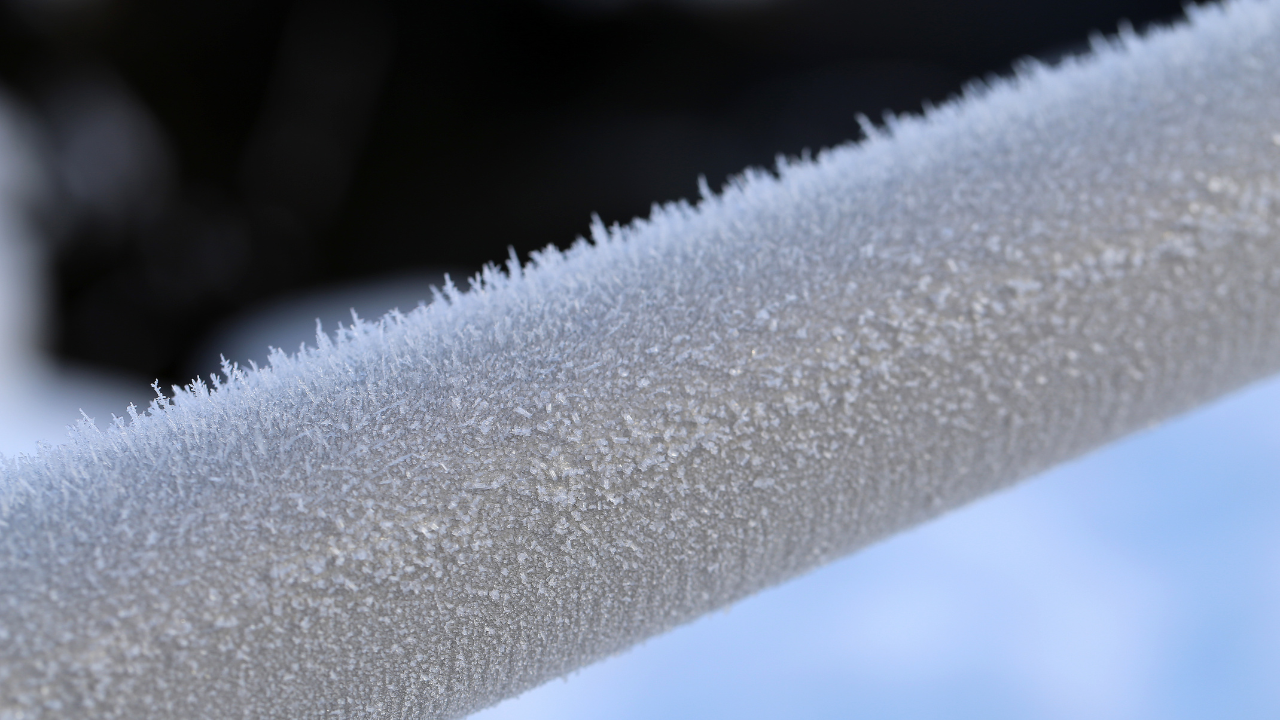
If your boiler has suddenly shut down and you have no heating or hot water, a frozen or blocked condensate pipe is one of the most common culprits. The good news is that in many cases you can carry out a few safe checks yourself before calling an engineer.
What the condensate pipe does
Condensing boilers produce acidic water as they run, called condensate. This needs to be carried away to a drain through a small plastic pipe, usually white or light grey in colour.
When this pipe cannot drain freely, the boiler’s safety systems will normally shut it down to prevent water backing up inside the unit. This often results in a lockout, a fault code or the boiler simply refusing to fire.
Typical signs of a frozen or blocked condensate pipe
You do not need specialist tools to spot a likely condensate issue. A few tell-tale symptoms tend to show up together.
- Boiler shows a fault code mentioning “condensate” or “drain”
- Gurgling or sloshing noises from the boiler before it locks out
- Boiler repeatedly tries to start then cuts out
- Visible ice or white frost on the outside condensate pipe
- Drips, damp patches or water staining around the pipe run
Most household boilers have a condensate pipe that runs from the bottom of the boiler to either an internal waste pipe or an external drain. On very cold days, any section outside is at particular risk of freezing.
Safe checks before you start
Before doing anything, think about safety. Water and electricity are a dangerous combination, so never work on a system that looks flooded, damaged or unsafe.
If you see water leaking onto electrical components, smell burning or see scorch marks, switch the boiler off at the fused spur and leave it off. In those cases you should contact a Gas Safe engineer straight away rather than attempting any DIY fixes.
How to check for a frozen or blocked condensate pipe
First, locate the condensate pipe. You are looking for a small plastic pipe coming from the boiler and heading towards a drain or soil pipe. Often this runs through the wall and continues outside for a short distance.
Outside, look for obvious issues such as kinks, sagging sections, joints that have come apart or visible ice on the pipe, particularly near the outlet. If the pipe is boxed in or hard to reach, do not dismantle anything that might affect the flue or building structure.
Gentle thawing methods that are safe for the pipe
If you suspect the pipe is frozen, you can try to thaw it gently. The aim is to melt the ice slowly without cracking the pipework or fittings.
Good options include:
- Warming a cloth or towel in hot (not boiling) water and wrapping it around the pipe
- Using a hot water bottle pressed gently along the frozen section
- Pouring warm water from a jug over the pipe, starting near the outlet and working back towards the wall
Avoid boiling water, open flames, heat guns or hairdryers. These can warp plastic pipes, damage joints or create an electrical hazard if water is blown towards sockets or the boiler.
Resetting the boiler after thawing
Once you think the pipe has thawed, check that any obvious ice has gone and that the outlet is clear of debris, slush or leaves. Then go back to the boiler and follow the manufacturer’s instructions to reset it.
If the condensate was the issue, the boiler should now run through its start-up sequence and fire. Listen for normal operation and check that the fault code has cleared. If it locks out again, stop and call an engineer rather than repeatedly resetting it.
When to stop DIY and call an engineer
Not every condensate problem is suitable for a quick at-home fix. Internal blockages, poorly installed pipework or damaged traps often need professional attention.
Call a Gas Safe engineer if you notice any of the following:
- The pipe is cracked, loose or leaking inside the property
- The boiler still shows a condensate or drain fault after thawing
- You are not sure which pipe is the condensate or cannot safely reach it
- The problem keeps coming back in only mild cold weather
For more detailed help with specific error messages, it can also be useful to consult a dedicated boiler fault codes guide so you know exactly what your model is reporting.
Preventing future frozen or blocked condensate pipes
A little preventative work can greatly reduce the risk of the pipe freezing again. Good installation and insulation help the condensate flow freely, even in colder spells.
External sections should be as short as practical and correctly sloped so the water runs downhill all the way to the drain. Long flat runs are more likely to hold standing water that can freeze and form a solid plug of ice.
Lagging the pipe with weatherproof insulation is another straightforward improvement. This helps keep the temperature inside the pipe a little higher so it is less prone to freezing. Check periodically that the insulation is still intact and not split, waterlogged or missing.
Finally, make sure the pipe outlet does not sit in a blocked gully or pile of leaves. The end of the pipe should be free to discharge into a drain that itself can flow properly.
FAQ: common queries about condensate issues
Can a blocked condensate pipe damage my boiler?
Modern boilers are designed to sense drainage problems and lock out before serious damage occurs. The lockout is there to protect the appliance, so do not try to bypass it or keep resetting a faulting boiler.
If water is allowed to back up repeatedly, there is a risk of corrosion or damage to internal components over time. That is why it is important to deal with the cause of the blockage promptly and have any leaks or internal issues checked by an engineer.
Why does it keep happening?
Recurring frozen condensate usually means something in the installation is not ideal for your local conditions. Common examples include undersized pipes outside, excessively long external runs or a lack of insulation.
Blockages in milder weather can be linked to sags in the pipe where sludge collects, or connections to internal wastes that are themselves partially blocked. A professional can assess the route, fall and sizing of the pipe and suggest more permanent improvements.
Next steps if your boiler still will not run
If you have safely checked for obvious ice, tried gentle thawing and reset the boiler without success, it is time to bring in an expert. Ongoing lockouts or repeated condensate faults are not something to ignore.
An experienced engineer can clear internal blockages, check the trap and pipework, and recommend any changes to reduce future problems. For more serious issues, a full boiler repair may be needed to keep the system reliable.
If you are in our local area and still without heating or hot water, contact Sigma Plumbing & Heating on 07939012055 to book a repair visit. We will diagnose the fault, get your boiler safely back on and advise on sensible steps to stop condensate issues returning.
Get In Touch
Contact Sigma Plumbing & Heating on 07939012055 now to book your service. Protect your home heating with expert care from a trusted local company.